Trout area and light spinning: a complete technical guide including bait, equipment, and practical advice.
Beneath the calm surface of managed quarries and lakes lies a discipline that has won over a generation of Italian enthusiasts from Japan : trout area fishing. Originally, it's a fishing philosophy aimed at small-sized trout in controlled waters, where technique blends with respect for each individual specimen.
In recent years, light spinning has established itself as a creative and versatile alternative, embracing a multitude of artificial imitations. Two approaches, two worlds that interact—often alternating on the same day—thanks to the constant evolution of rods , ultralight reels , and sophisticated micro-lures. Let's discover the rules, tools, and practices to best express yourself in this technical and engaging discipline.
What is the trout area and origin
Definition and history (Japan, spread in ponds)
The trout area was born in Japan as a response to over-managed environments: small lakes populated by trout weighing less than 0.5 kg, delimited and regulated to ensure sustainability and repeatability of the fishing action.
The philosophy is based on pursuing perfection in casting spoons and cranks , tiny lures whose vibration and luminous reflections are designed to seduce trout often accustomed to the pressure of dozens of enthusiasts a day. Hence the use of micro-lures (never larger than 6 cm and weighing 5 g), very short rods , and meticulous management of every movement.
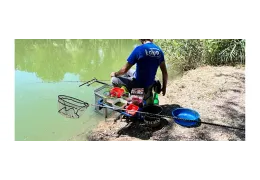
In Italy, the discipline has taken root mainly in commercial lakes and trout quarries, becoming a technical and social training ground (especially in winter) thanks to the manageability of the environment, the ethical approach, and the high catch rate possible even in just half a day.
Ethical rules: barbless hooks and rubber/silicone landing nets
Care is a non-negotiable principle. Only single barbless hooks are used to reduce jaw damage and speed up release.
A rubber or silicone landing net is the only permitted tool for unhooking: the soft mesh and smooth surface protect the trout's precious mucous membrane. This combination—barbless hook plus soft net—almost completely eliminates trauma, allowing for responsible catch-and-release, compliant with both new animal welfare requirements and the stringent regulations of commercial ponds.
In these contexts, even a hasty unhooking or the lack of a landing net can result in exclusion from the facility and the loss of the right to return: for this reason, discipline becomes a guarantee of ethics as well as performance.
Practical differences between trout area and light spinning
Types of lures used (spoon/crank vs. soft/microjig/shad/spinfly)
The technical differences are revealed above all in the baits. In the pure trout area, spoons are preferred—small metal spoons no longer than 6 cm and weighing 5 grams (often even less), chosen for their vibrant movement and reflections that awaken listless trout. These are joined by cranks , small floating or sinking lures capable of varying depth and speed depending on the trout's activity.
Light spinning , on the other hand, broadens the spectrum: soft baits , microjigs , and shads mounted on jig heads come into play – effective on a wide range of predators, from trout to perch. Spinflies , i.e., weighted flies for spinning, deserve a separate chapter: hybrid systems that combine a flyfishing silhouette with a weight suitable for casting with spinning rods .
Target species and situations of use
In the pure trout area the rule is simple: everything focuses on small-sized trout, with branches almost exclusively among Salmo trutta and Oncorhynchus mykiss supplied by the lake managers.
On the contrary, in light spinning the variety of baits allows the encounter with other species, moving the game even into less frequented waters: from bluegill to saddled bream, from char to shad and white sea bream, thanks to the possibility of using microjigs , shads and small silicone fish on heads.
Trout area therefore represents a hyper-specialized variation of trout fishing, while light spinning is multifaceted, often practiced even where regulations and water morphology allow greater freedom of choice and exploration.
Recommended equipment: rods, reels and lines
Rod length, action (≤2.40 m; fast/ultra fast; solid tip)
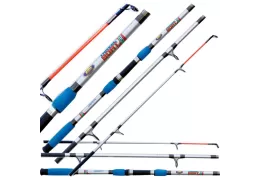
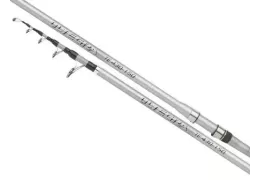
The rod is the cornerstone of the entire setup: in the trout area, the rod length should never exceed 2.40 meters, to prioritize control, precision, and maneuverability on crowded or narrow banks. You can opt for a one- or two-piece rod, depending on your transport needs and the sensitivity you require.
A key feature is action: fast or ultra-fast rods (useful for casting hardbaits weighing 0 to 5 grams) enhance strike response and the transmission of every vibration. Those who enjoy working soft baits will benefit from the solid tip—full and sensitive—that responds to every hesitation of the trout, even on ultralight baits weighing less than half a gram.
Reels (≤2000) and line choice (nylon 0.14–0.18; braid 0.02–0.06; fluoro 0.14–0.16)
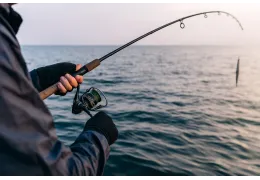
When it comes to reels , the key is compactness: maximum size 2000 ensures featherweight, perfect balance with an ultralight rod , and maximum precision in drag control. Both systems—front and rear—are compatible, as are the Baitrunner models for those seeking greater flexibility in line release.
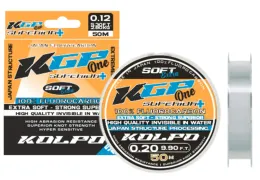
The choice of line reflects the delicate nature of the entire setup: nylon with a diameter between 0.14 and 0.18 mm for those seeking invisibility and stretch, extra-thin braid (0.02–0.06 mm) for maximum sensitivity and flawless control of micro-baits. Not to be forgotten is the fluorocarbon leader (0.14–0.16 mm): its rigidity and transparency ensure abrasion resistance and a nearly invisible presentation even in the crystal-clear water of the busiest lakes.
Lures and operational rigs
Wavy/crank characteristics (≤6cm, ≤5g) and colors
Spoons and cranks are essential in the trout area and light spinning arsenal: the ideal size is between 6 cm and 5 grams. The best lures vibrate and shine, simulating the silvery flashes of small prey in the clear waters of lakes.
Color plays a key role: multicolored lures are preferred, with reflective surfaces that amplify visual stimuli. A quick glance at the box reveals a rainbow of variations, designed to adapt to the light, mood, and pressure the trout are subjected to on that particular day.
Rigs for rubbers, microjigs, shads, and spinflies; tungsten heads
In the light spinning field, the variety of rigs worthy of a fly fishing kit favours practicality: soft baits and shads are generally baited on ultra-light jig heads , with particular attention to tungsten heads – a material that allows for very low weights and compact profiles, improving distance, precision and sinking speed.
Microjigs can also be used on small parts such as sleeves, solid rings, or split rings to increase knot strength and rig longevity. Spinflies —spinning imitations of weighted flies—use hooks specifically designed to bait worms or small artificial insects, providing a refined complement for aggressive trout and opportunistic predators.
Fishing technique and recovery tips
Indicative retrieves for hardbaits and softbaits
Casting isn't enough: in the trout area , the secret lies in the retrieve. Hardbaits (i.e., spoons and cranks weighing between 0 and 5g) prefer a continuous but never banal retrieve: short pauses, sudden rod flicks, and speed variations are the magic touches to stimulate predatory reflexes even in the laziest trout.
With soft baits (soft baits, shads , microjigs), the rhythm becomes more meditative: let the bait sink to the depths and animate it with small jerks on the bottom, alternating with micro-pauses and lifts. The difference between a bite and a simple hesitation is felt like a subtle vibration, to be interpreted and followed rather than chased with nervous movements.
Sensitivity, strike and use of the solid tip rod
Absolute sensitivity remains the hallmark of this discipline. The solid tip rod —with a solid tip—reflects even the fish's subtle movements, amplifying the perception of bites even when fishing baits weighing less than 0.5 grams.
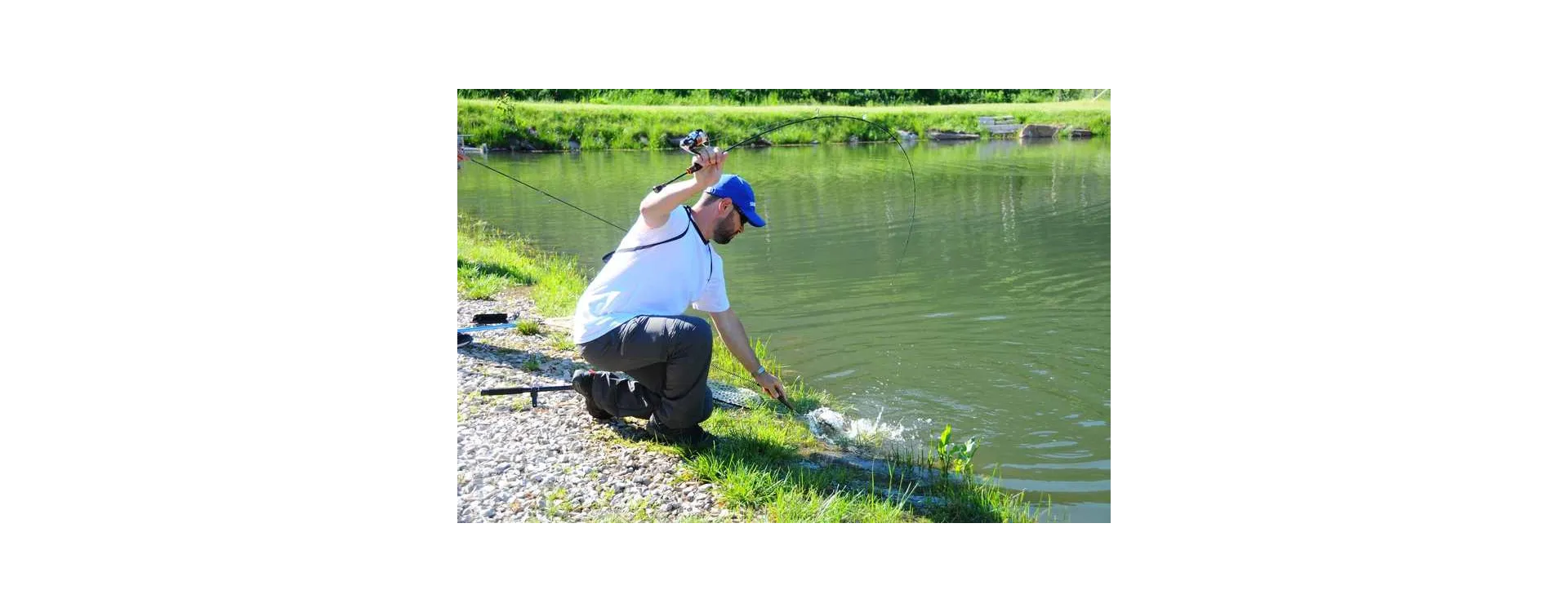
The strike in the trout area must be firm but gentle: you need to follow the bite, gently lifting the rod before making the final strike. The goal is not so much to "pin" the trout as to quickly guide it to the landing net , avoiding any unnecessary stress or trauma.
Fish accessories and care
Rubber/silicone mesh, barbless hooks, catch-and-release management
Accessories aren't just ornaments, but extensions of the philosophy of respect. The rubber or silicone landing net , as we've already seen, is an indispensable shield between the angler and the trout, especially during the delicate unhooking and release operations.
Barbless hooks minimize the risk of injury – essential in all the strictly catch-and-release sessions that characterize the advanced trout area approach.
The trout, after a brief pause in the landing net to catch their breath, return to the water without having suffered abrasions or frightening barb hemorrhages: a small but decisive gesture for the survival and quality of the fish population in the managed waters.
Useful accessories (lead heads, bombardas, terminals, cables)
The perfect light spinner's arsenal doesn't stop with lures. Spare jig heads (preferably tungsten ), bombardas , and low-weight leads—useful for beautiful floating or slightly sinking casts to sluggish fish—and a selection of specialized leaders are always recommended.
Shock/fluorocarbon terminals (0.14–0.16 mm), wind-on leaders for surgical precision in thin leaders, metal cables for safety against predators with notable teeth: every detail can make the difference between a flawless recovery and a complicated unhooking due to a tangle or a premature breakage.
Packed with durable split rings and sleeves to restore your rig in seconds without losing your rhythm. Even small details like monofilaments suited to different functions (mounted on the reel or just for the leader) help you tailor your strategy, even in the most challenging conditions.
Trout area and light spinning aren't just techniques: they represent a true school of sensitivity, balance, and focus. Following this philosophy, all that's left to do is choose the best rod —always within 8 feet, preferably with a solid tip in the most experienced hands—and customize your arsenal of reels and ultralight lines, always keeping ethics, respect, and creativity in mind.
True experience is built with every cast: trying combinations of spoons under 5 grams, playing with colors, and persisting with varied retrieves without fear of making mistakes. Only in this way can you master the technique, learning to recognize the vibration of a thin nylon line or the snap of a crank as the promise of a memorable day, combining ethics and sustainable fun.
Leave a comment
Log in to post comments