Ledgering rods: precision, sensitivity and power in the modern feeder
Introduction to Ledgering and the Modern Feeder
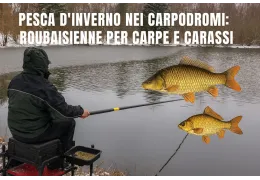
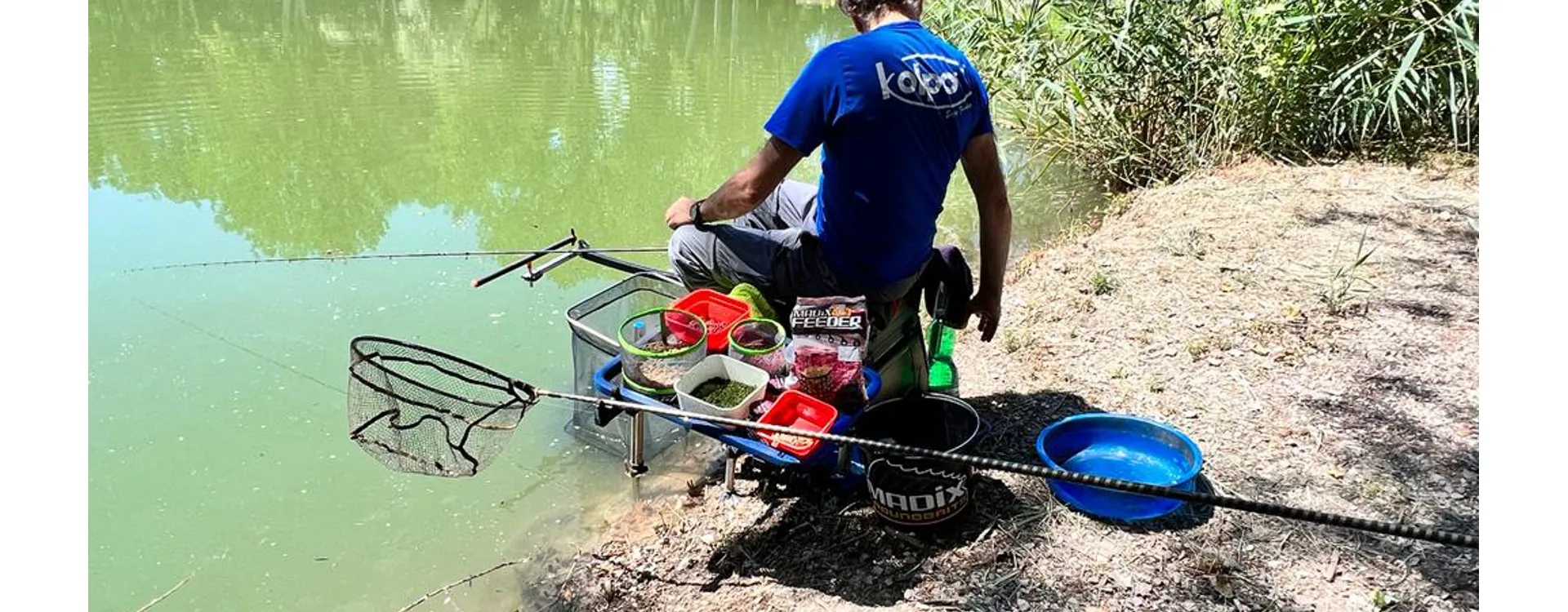
Ledgering is a bottom fishing technique that relies on the use of a feeder or fixed lead to keep the bait stable on the seabed. This method was created to target particularly wary fish such as bream, crucian carp, barbel, chub, and carp, offering a light and responsive approach that emphasizes precision and sensitivity . It is a highly popular practice in various environments, including rivers with medium currents, still waters, and commercial lakes, where detecting every tiny bite is essential.
With the evolution of feeder fishing, ledgering has been enriched by the introduction of specific feeders that allow you to concentrate fish in a precise spot, significantly increasing your catch. The modern feeder adapts perfectly to different environments, ensuring optimal line control even in the most challenging fishing situations, such as in currents or from a boat.
If you want to refine your bottom fishing technique, understand the differences between ledgering and feeder fishing, and get the most out of your gear, this guide will help you choose the best rods and the most effective strategies, with practical advice for environments ranging from trout areas to medium-flowing rivers.
Types of Ledgering Rods: Choosing the Right Solution
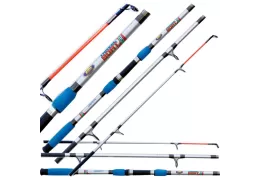
Ledgering rods are mainly divided into three categories: light, standard, and heavy, designed to meet specific fishing needs and environments. Lightweight rods are perfect for calm waters and smaller prey, offering lightweight performance and superior sensitivity, characteristics also appreciated in eging and boat fishing.
Standard rods, often featuring a parabolic-progressive action, represent the most versatile solution. Their casting weights generally range from 30 to 90 grams and are suitable for most bottom and feeder fishing situations, proving effective even in environments such as medium-flowing rivers or commercial lakes.
Heavy rods are further divided into specialist, continental, and commercial, differing in power and intended use. Heavy specialist rods are ideal for tackling oversized prey and challenging conditions, while continental and commercial rods are more suited to intensive fishing and variable conditions, offering the strength and power needed for surf casting or boat fishing.
The materials used, such as high-modulus carbon, ensure an optimal balance between lightness, strength, and sensitivity. Rods made of fiberglass or composite materials, on the other hand, guarantee greater resistance at a lower cost. Lengths generally range from 10 to 14 feet, adapting to a variety of environments, from rivers with moderate flow to commercial lakes and larger fishing grounds.
Rods made of carbon, fiber and composite materials
The choice of material is crucial to the performance of ledgering rods. High modulus carbon is prized for its lightness and sensitivity, characteristics that allow you to detect even the subtlest bites thanks to particularly sensitive quiver tips . Furthermore, this material guarantees strength without weighing down the rod, making it ideal for techniques that require precision and responsiveness, such as fishing in medium-flowing rivers or commercial lakes.
Fiberglass or composite rods, on the other hand, offer superior strength and a lower cost, representing a solid choice for those seeking a long-lasting product without sacrificing performance. Material combinations are often used to balance weight, action, and durability, improving responsiveness and line control even in strong currents.
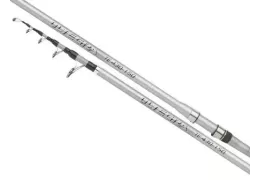
A practical example are carbon telescopic rods, highly appreciated for their practicality and ease of transport, perfect for those who frequently travel between different fishing areas, such as trout areas or spots dedicated to eging fishing.
Action, length, and power: how to choose the right rod
To choose the best ledgering rod, it's important to understand the differences between the available actions: parabolic, parabolic-progressive, and fast. The parabolic action features a soft curve that absorbs the fish's thrust, ideal for detecting delicate bites and handling lightweight lines, such as wire or high-quality monofilament.
The parabolic-progressive action combines flexibility and rigidity, improving casting accuracy and responsiveness. Fast-action rods are stiffer and suitable for situations requiring power and quick response, such as fighting large prey, and are ideal for more aggressive techniques like surf casting or jigging.
Length typically ranges from 10 to 13 feet: shorter rods are preferable for stillwaters and lakes, while longer rods are better suited to rivers with medium currents or for boat fishing. Casting weight (CW) can range from 10-30 grams for lightweight rods to 120-150 grams for heavy models, influencing the choice of rig and line, which can vary between monofilament and braided lines depending on your needs.
Technical Features and Essential Components
One of the most important aspects of ledgering rods is the sensitivity of the tip , often entrusted to a quality quiver tip that allows you to detect even the subtlest bites. This characteristic is crucial for fishing success, especially in currents or in environments like medium-flowing rivers and commercial lakes where delicacy makes the difference.
The rod's action and responsiveness must be calibrated based on the rig and the target species: a rod that's too stiff can limit sensitivity, while one that's too soft may not provide the necessary control during the fight. Precision-tied single-leg guides minimize line friction, which can be monofilament or braided, improving vibration transmission and overall sensitivity.
Ergonomic handles, made from non-slip materials, increase comfort during long sessions of bottom fishing, feeder fishing, or ledgering. Sturdy and reliable reel seats are essential for holding quality reels, essential for techniques that require strength and precision, such as spin fishing or boat fishing.
Many models feature interchangeable tips that allow you to modulate the sensitivity and power of the rod, easily adapting it to different fishing conditions and the types of bait used.
Sensitivity, action and reactivity
The sensitivity of the tip, guaranteed by well-designed and sensitive quiver tips , is essential for detecting even the most delicate bites, avoiding losing suspicious fish. The parabolic and progressive action modulates the rod's reactivity: a soft curve favors line control and the absorption of thrust, while a stiffer action improves promptness in striking.
Whether fishing in a current or at range, a responsive rod allows you to maintain complete control of the line, preventing tangles or breakages, especially when combined with high-quality braided lines or durable wire. Rod power affects the handling of large fish and the ability to withstand long fights, ensuring an optimal balance between precision and strength.
Accessories and components: rings, handles, reel seats
Single-leg guides are essential to rod performance, as precise wrapping reduces friction and enhances sensitivity, making it easier to use monofilament or braided lines. Ergonomic handles, made from non-slip materials, improve comfort and handling, essential aspects during bottom fishing or ledgering sessions.
The reel seat must be sturdy and reliable, capable of holding reels even under heavy use, such as surf casting or boat fishing. Quality components not only improve performance but also contribute to the overall durability of the rod, ensuring consistent performance over time.
Advanced Techniques and Strategies for Fishing with Ledgering Rods
To optimize your ledgering fishing, it's essential to master advanced rigs like the anti-tangle rig, running rig, helicopter rig, and method feeder rig. These configurations improve casting accuracy, reduce tangles, and promote natural bait presentation, which is essential even in delicate fishing environments like medium-flowing rivers or commercial lakes.
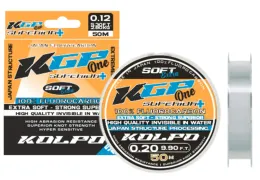
The choice of line is equally important: nylon offers elasticity and tear absorption, braided lines guarantee superior sensitivity, while fluorocarbon is preferred for its invisibility in water, particularly useful in clear water or for techniques like eging or spinning. The combination of line and rig must be calibrated based on the environment and target species, also considering metal cables or quality monofilaments for increased strength and sensitivity.
Lures vary depending on conditions and the fish targeted: cage feeders and method feeders are used to concentrate schools of fish and increase catches. By adjusting the sensitivity of the rod using interchangeable tips and specific rigs, you can effectively adapt to different currents and more wary fish, maximizing results even when fishing from a boat or in out-of-water environments.
Recommended rigs, lines and baits
Anti-tangle rigs are prized for their ability to prevent tangles during casting, while running rigs and helicopter rigs allow for a more natural bait presentation. The method feeder rig integrates the feeder with the bait, maximizing fish attraction and making it easier to fish in areas with heavy angling pressure.
As for lines, nylon is chosen for its elasticity, which absorbs the fish's strikes; braided line is preferred for its sensitivity and durability; fluorocarbon for its near-total invisibility in the water, essential in clear waters or with wary fish. Bait should be selected based on the species being targeted: bream, crucian carp, and carp prefer natural baits such as corn, maggots, or paste, while for saltwater fishing or surf casting, more specialized and durable baits are preferred.
Cage and method feeders are ideal for concentrating fish in specific spots, increasing the effectiveness of the attack. Choosing the right combination of rig, line, and bait will allow you to successfully tackle a variety of fishing conditions, including spin fishing or boat fishing.
Barrel sensitivity and sensitization adjustments
Interchangeable tips are a key tool for quickly and precisely adjusting the power and sensitivity of your ledgering rod. Changing the tip based on conditions allows you to adapt the rod's response to different situations, such as calm water or the medium currents typical of rivers or commercial lakes.
For example, in still water you might prefer a softer tip, which amplifies timid bites, while in a current a stiffer tip is recommended to maintain control over the line. The rig you choose affects the perceived sensitivity: lightweight, well-balanced rigs enhance the tip's response and improve the rod's overall effectiveness.
Adopting customized adjustments allows you to optimize the performance of the rod, increasing catches thanks to a finer perception and better management of the line even in variable environmental conditions.
Accessories and Complementary Equipment
To complete your ledgering gear, it's essential to choose sturdy reels with progressive drag, capable of handling even large fish without failing. The progressive drag prevents sudden jerks, protecting both the line and the rod, and is also perfectly suited to techniques like boat fishing or surf casting.
The choice of lines and leaders is equally strategic: nylon for stretch and absorption, braided for high sensitivity, and fluorocarbon for invisibility and abrasion resistance. Fluorocarbon leaders are preferred for their camouflage and durability, especially in challenging seabeds or for eging. Quality wires and cables help improve the rig's durability and effectiveness.
Rod supports and holders help keep your rod stable and ready for use, offering convenience during long fishing sessions. Appropriate anchoring systems, chosen based on the seabed and environment, ensure safety and practicality even in moderate currents or in out-of-water fishing environments.
Quality complementary equipment makes the fishing experience more efficient and comfortable, allowing you to focus on technique and line control.
Specific reels, lines and terminals
The ideal reel for ledgering must have a progressive drag and a sturdy construction to withstand prolonged fights, features also useful in spinning and jigging techniques. Sturdiness is essential for dealing with powerful prey without the risk of breakage.
Nylon line provides elasticity, absorbing shock and protecting the line, while braided line offers superior sensitivity, allowing you to detect even the most timid bites. Fluorocarbon is chosen for its invisibility in the water, essential in situations where fish are particularly wary, such as in trout areas or eging.
Fluorocarbon leaders add strength and camouflage, reducing the risk of scaring off wary fish. Reels and lines should be chosen based on the type of fishing and the required casting distance to optimize overall performance.
Supports, rod holders and anchoring systems
Ledgering and feeder rod holders are designed for stability and convenience while fishing. Popular options include ground-mounted rod holders, adjustable supports, and systems that attach to the ground or shore. Choose your rod holder based on your fishing style and environment, including out-fishing and surf casting.
Anchoring systems must be adapted to the type of seabed: sandy, soft, or rocky. Versatile solutions allow you to securely position the rod, preventing unwanted movement and facilitating line management, even in currents or wind.
Choosing the right rod holders and supports improves comfort and concentration, essential elements for long and successful fishing sessions.
How to Choose and Improve Your Ledgering Rod
To choose the best-performing ledgering rod, it's important to carefully analyze the available brands and models, evaluating their technical features and value for money. Brands like Shimano and Daiwa are among the most reliable and well-regarded, offering specific products for various bottom and feeder fishing needs, with solutions also suitable for boat fishing and spinning.
These manufacturers constantly introduce innovations that improve sensitivity, power, and durability, thanks to the use of advanced materials, high-quality components, and ergonomic design. Comparing models allows you to identify the rod best suited to your style, fishing environment, and budget, also taking into account specific features such as casting weight and available actions.
Care and maintenance are essential to maintaining long-lasting performance: regular cleaning, checking the guides, lubricating the reel seat, and storing them in a dry environment help keep your rod efficient and responsive. Furthermore, appropriate clothing and functional accessories help enhance your fishing experience.
Finally, reading feedback from other anglers and concise reviews gives you a realistic view of the potential and limitations of the various models, facilitating an informed and targeted choice.
Analysis of the best performing brands and models
Shimano and Daiwa represent two benchmarks in the feeder-ledgering rod market. Shimano offers models with excellent parabolic-progressive actions, advanced materials such as high-modulus carbon, and quality accessories, ideal for those seeking precision and sensitivity. Daiwa stands out for its strength and versatility, offering heavy and standard rods with a wide casting weight, suitable for a variety of fishing conditions, including boat fishing and surf casting.
Recommended models include rods with interchangeable quiver tips, single-leg guides, and ergonomic handles, designed to successfully tackle both stillwaters and medium-flowing rivers. Technological innovations improve responsiveness and durability, essential for demanding fishing sessions.
Practical advice and product comparison
When evaluating a ledgering rod, consider power, action, and materials based on your intended use. Lightweight rods are ideal for calm waters and medium-sized or small prey, while heavier rods are better suited to currents and oversized fish, which are also common in boat fishing or surf casting.
A direct comparison between products helps you understand the technical differences and choose based on your budget and needs. Regular maintenance, such as cleaning the guides and protecting them from the elements, preserves performance and extends the life of the rod. Finally, small adjustments like using quality accessories and adjusting sensitivity with interchangeable tips can make the difference between a mediocre session and a successful one, improving control, precision, and comfort.
Leave a comment
Log in to post comments