The Complete Guide to Spin Fishing: Techniques, Equipment, and Strategies
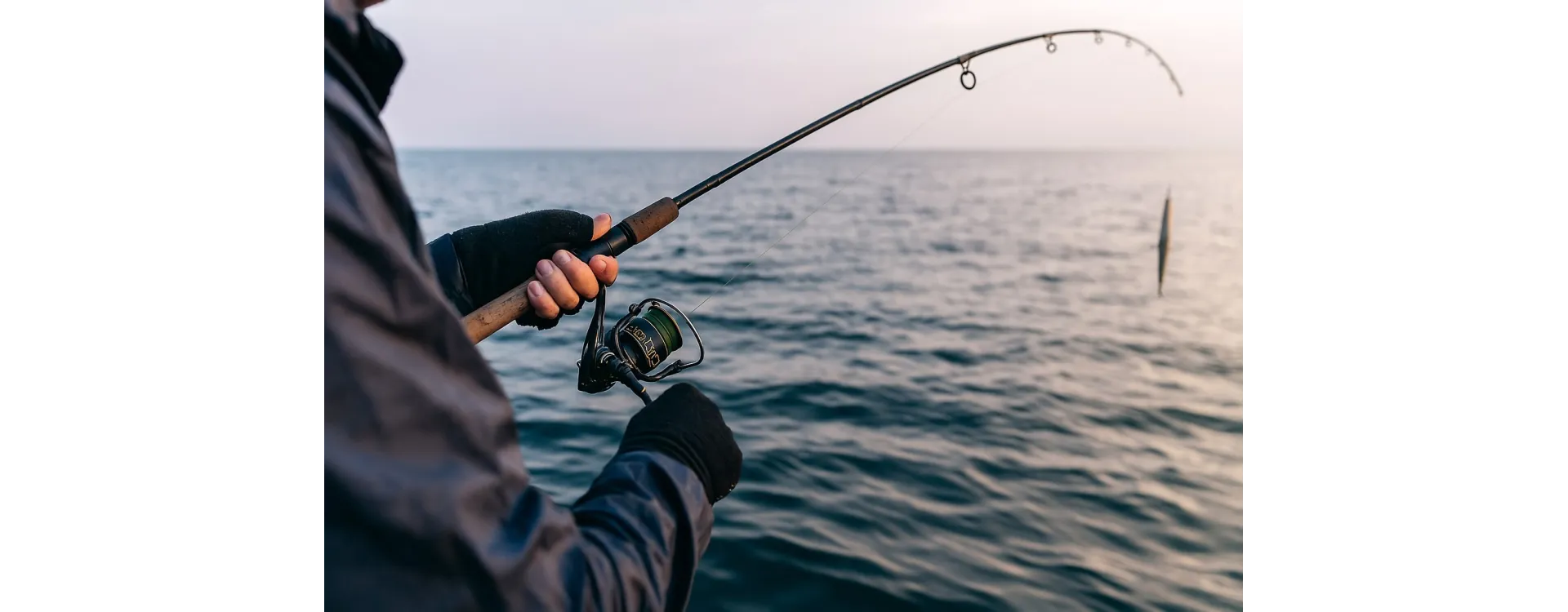
Spinning fishing is a highly popular technique due to its dynamic nature and versatility , ideal for both beginners and more experienced enthusiasts. This technique involves the use of artificial lures to attract predatory fish , offering an active and engaging fishing experience.
In this comprehensive guide, you'll discover everything you need to get started or improve your fishing skills: from the most suitable equipment, such as rods and reels, to casting and retrieval techniques, to strategies for customizing your rig based on environmental conditions and the species you're targeting. You'll also find advice on the best baits and accessories, so you can choose original, high-performance products tailored to your needs.
If you want to refine your technique and increase your chances of success on every outing, keep reading: detailed information and practical tips await you to tackle every fishing trip with confidence and satisfaction.
What is spin fishing and how does it work?
Spin fishing is a technique that uses artificial lures designed to mimic the natural motion of prey, with the aim of attracting and catching predatory fish . The principle is based on the rotating or oscillating motion of the lures, which mimic the behavior of wounded or fleeing prey, thus stimulating the predatory instinct.
Among the most popular lures are spinners , jigs , minnows , jerkbaits , spinnerbaits , and poppers , each with specific characteristics of movement and depth of action. This variety allows you to choose the lure best suited to the environmental conditions and target species.
Compared to other techniques, spinning stands out for its dynamic nature: the angler casts the bait and retrieves it with variable movements, adapting the technique to the environment and the fish's reactivity. Unlike casting, which requires heavier bait and powerful casts, spinning is more accessible, ideal even for those new to sport fishing.
Essential equipment for spin fishing
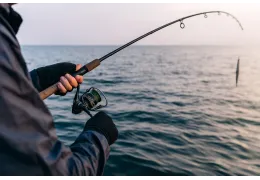
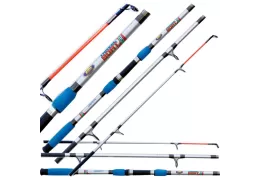
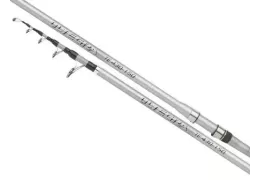
To successfully spin, it's essential to choose the right equipment, including a spinning rod , reel , lures, and rigs . The choice of rod depends primarily on the weight of the bait: a light rod is perfect for lures up to 10 grams, while for heavier baits, medium or heavy weight rods are best.
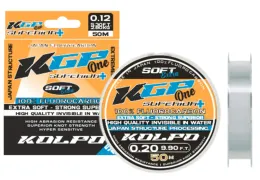
The typical rig features braid as the main line, connected via an Albright knot to a fluorocarbon leader, which ensures strength and invisibility in the water. The use of a snap makes changing lures easier and faster, allowing you to quickly adapt to different fishing situations.
If you're a beginner, we recommend choosing original and reliable products, avoiding complications that could compromise your experience. Always read the technical specifications carefully and evaluate the available options, including price and VAT, to make informed choices.
Spinning rod: choice and characteristics
Choosing a spinning rod requires consideration of several factors: weight and type of bait, length, and the fishing environment. Rods are classified as light (up to 10 grams), medium (10-30 grams), and heavy (over 30 grams). For freshwater fishing, rods between 1.80 and 2.10 meters are often sufficient, while for saltwater fishing, longer rods, up to 2.70 meters, are preferred for longer and more accurate casts.
The most commonly used materials are carbon and fiberglass, prized for their lightness and sensitivity. The rod's action—its flexibility and responsiveness—significantly influences casting accuracy and distance. If you're just starting out, a versatile rod with a medium action is a balanced choice, allowing you to explore different lures and environments without having to constantly change equipment.
Artificial baits: types and uses
Artificial lures for spinning come in many shapes, differentiated by movement and depth of action. Among the most popular and effective are:
- Spinning spoons: metal lures that rotate, generating reflections and vibrations, ideal for active predators in clear water.
- Jig: lures with a weighted head, perfect for slow, bouncing movements, effective in deep water or with currents.
- Minnows: they imitate small fish with undulating movements, adaptable to various depths and conditions.
- Jerkbait: rigid baits to be retrieved with jerky movements, simulating injured or struggling prey.
- Spinnerbaits: lures with rotating blades that create vibrations and reflections, excellent in murky waters to stimulate sensory predators.
- Poppers: surface lures that produce splashes and noises, ideal for attracting the attention of aggressive predators.
Choosing the right bait depends on the environment and the target species. Knowing how to animate the bait by alternating speed and pause allows you to simulate the natural behavior of prey, thus increasing the effectiveness of the presentation.
Essential frames and accessories
The classic spinning rig uses braid as the main line, connected with an Albright knot to a fluorocarbon leader, which is stronger and invisible in the water. The Albright knot is highly regarded for its simplicity and strength, ensuring a reliable connection between lines of different diameters.
The snap is a practical accessory that allows you to quickly change lures and rigs without retying knots, facilitating experimentation and adjustments while fishing. The leader must be of adequate length to prevent breakages and ensure a natural presentation of the lure.
Other useful accessories include swivels, wicks, and various types of knots, all important for optimizing your rig. Regular maintenance of your equipment is essential to keep it efficient and long-lasting.
Spinning Fishing Techniques: Casting, Retrieving, and Strategies
To achieve good results in spin fishing, mastering casting and retrieval techniques is essential. A smooth, precise cast allows you to reach the most promising areas without spooking the fish, while retrieving with constant tension on the line helps you detect even the lightest bites and react promptly.
Retrieval strategies vary depending on the bait used and the species being targeted. You can alternate between slow, fast, intermittent, or bouncy retrieves, adapting them to the environment, whether you're fishing in saltwater or freshwater. Maintaining high sensitivity during the retrieve is essential to optimize each cast and increase your catches.
Casting and retrieval techniques: practical tips
For an effective cast, extend your arms in a fluid, controlled motion, avoiding sudden jerks that can compromise accuracy and distance. During the retrieve, maintain constant tension on the line to feel every touch or bite. Make sure the line is slack and the reel is adjusted correctly to avoid tangles or breakages.
Adjust the speed and rhythm of your retrieve based on the type of bait: a slow retrieve is ideal for jigs and soft baits, while surface baits like poppers require a faster, more intermittent pace. Experiment with different speeds and movements to see what works best in each situation.
Recovery methods to maximize catches
Varying your retrieve is a winning strategy in spinning. A slow, bouncy retrieve is ideal for jigs and soft baits, simulating wounded prey. Conversely, a fast, intermittent retrieve is ideal for poppers and surface minnows, imitating their fleeing behavior.
These movements stimulate the aggression of predatory fish , which often react to sudden changes in the bait's behavior. Observe the fish's behavior and adjust your retrieve accordingly, varying the pace and pauses to maintain the effectiveness of the presentation.
Where to go spin fishing: environments and best locations
Spin fishing can be practiced in a wide variety of environments, from the sea to freshwater lakes, rivers, and streams. Each environment requires specific adaptations in equipment and technique. In the sea, for example, longer rods and larger-capacity reels are preferred, while in freshwater, lighter and more sensitive equipment is used.
Bait and techniques vary depending on the habitat and species present. Location is crucial: in the sea, feeding grounds, cliffs, harbors, and beaches are excellent for spinning, while in freshwater it's important to identify areas with vegetation, currents, or submerged structures frequented by predators. The best times for fishing are often dawn and dusk, when fish are most active and likely to attack.
Sea Spinning: Strategies and Areas of Interest
For marine fishing, your gear must be sturdy and roomy: long rods and reels with powerful drags will allow you to tackle predators such as sea bass , amberjack , and barracuda . The most effective artificial lures are those that imitate coastal forage fish, such as minnows and jerkbaits.
The best areas for saltwater spinning include reefs, harbors, beaches, and feeding grounds where predators gather to hunt. Marine conditions, such as currents and waves, influence bait selection and retrieval techniques: adapting to these variables is essential for success. Saltwater casting and retrieval strategies often involve more decisive movements and longer distances.
Spin fishing in freshwater: lakes, rivers and estuaries
In freshwater, spin fishing is practiced with lighter, more sensitive equipment, ideal for species such as black bass , brown trout , and zander . Light or medium-weight rods allow for precise control of artificial lures, often silicone or small minnows.
The best areas are lakes with submerged vegetation, rivers with moderate currents, and nutrient-rich mouths. Strategies include careful and varied movements of the bait, simulating injured or fleeing prey to stimulate the fish's aggression. Knowing typical habitats helps identify the most productive spots.
The most catchable fish species with spinning
Spinning is particularly effective for targeting predatory fish in both saltwater and freshwater. In marine environments, the most sought-after species are sea bass , amberjack , and barracuda , known for their aggressiveness and combativeness. In freshwater, however, zander , black bass , and brown trout are often targeted, prized for their dynamism and the challenge they present to the angler.
Knowing the characteristics and behaviors of these species is essential for choosing the right bait, rigs, and techniques. Recognizing the areas these fish frequent, such as reefs, currents, or vegetation, increases your chances of success during your outings.
Marine predators: amberjack, sea bass, barracuda
The amberjack is a powerful predator that frequents reefs and rocky seabeds, attacking lures with quick, decisive movements. The sea bass , often found in ports and beaches, is known for its aggressiveness and prefers surface lures and minnows. The barracuda , on the other hand, is a fast and aggressive hunter, common in tropical and subtropical waters, attracted by bright lures and sudden movements.
To catch these predators, specific baits and techniques are used, adapting the retrieve based on their behavior and sea conditions. The best fishing times often coincide with these fish's peak activity and feeding seasons.
Freshwater fish: pikeperch, black bass, trout
The walleye is an ambush predator that hides among submerged vegetation and attacks passing prey. The black bass is known for its combative nature and is found in lakes and rivers with rich bottom cover. The brown trout prefers cold, flowing waters, often found in mountain streams and rivers.
The most effective baits for these species are minnows, jigs, and silicone lures, animated with variable retrieves to stimulate aggression. Understanding the habitats and habits of these fish will help you choose the most suitable techniques and increase your catches.
Practical advice and advanced tips
To improve your spin fishing experience, it's important to choose equipment and rigs suited to the environmental conditions and target species. Matching the rod weight to the bait and environment is essential for precision and control. Avoid common mistakes like incorrect rigs or weak knots, and pay attention to reel and line maintenance to ensure optimal performance.
Patience and perseverance are essential qualities: spin fishing requires time to refine your technique and understand fish behavior. Experiment with different lures, retrieves, and rigs to customize your approach and find what works best for you. Remember that every outing is an opportunity to learn and improve.
How to choose equipment based on conditions
Adjust the rod's weight based on the type of bait and the environment: for calm waters and light baits, choose rods with a light weight; for more challenging environments and larger prey, choose rods with a medium or heavy weight. The reel should have adjustable capacity and drag, essential for safely handling hard-fighting fish.
Rigs vary between saltwater and freshwater: in saltwater, stronger leaders and durable knots like the Albright knot are used, while in freshwater, you can opt for thinner, more sensitive leaders. Choose specific lures based on the season and environmental conditions, evaluating the various options available to find the best value, including VAT.
Common mistakes and how to avoid them
Among the most common mistakes in spin fishing are incorrect rigs with weak knots, which can cause the fish to be lost. Retrieving too fast or too slow can make the bait less credible, while poor maintenance can compromise the reel's functionality and the lifespan of the line.
Furthermore, a lack of patience and perseverance often leads to disappointing results. To avoid this, carefully prepare your rig, choose the right retrieve speed for your bait, and always pay close attention to your line. Dedicate time to regular maintenance and learn from every outing to continually improve your technique.
Leave a comment
Log in to post comments