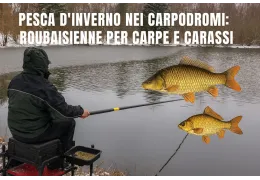
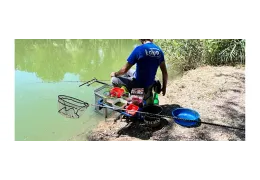
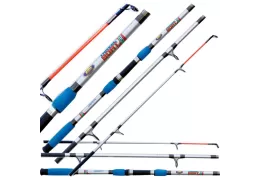
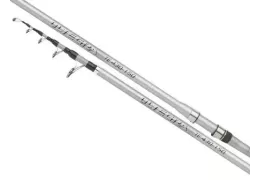
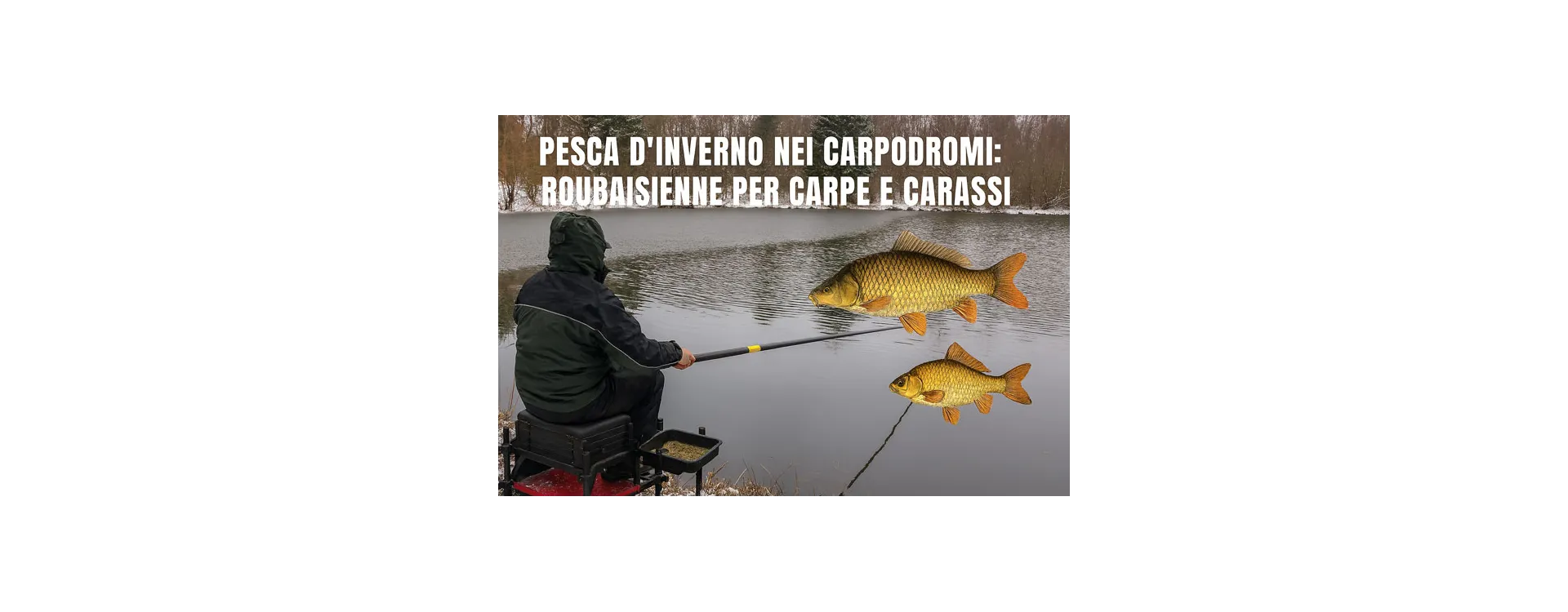
Winter fishing in carp fisheries using the pole technique for carp and crucian carp
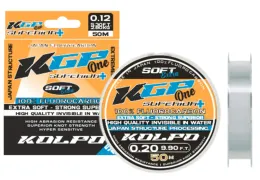
Winter fishing in carp fisheries is a technical challenge that requires careful preparation and specific equipment, especially when using a pole to target particularly suspicious carp and crucian carp. Low temperatures and reduced fish activity require an optimized setup and careful management of every detail, from choosing the most suitable rods to silent and calibrated baiting . After receiving numerous positive reviews for my posts dedicated to this discipline, I decided to share a comprehensive guide that combines advice from champions and results from field tests in the best carp fisheries in the Veneto region. The aim is to help you perfect your techniques and increase your catch success during the colder months. Preparation and Specific Equipment for Winter Fishing Pole fishing in cold temperatures requires a winter setup that emphasizes lightweight, highly sensitive equipment, essential for detecting the subtle bites of less active carp and crucian carp. Lightweight rods, combined with thin lines and fine leaders , are essential for transmitting even the slightest vibration without interference. For elastics, the ideal choice is 1 mm hybrid elastics , which guarantee a perfect balance between elasticity and resistance, allowing you to handle even lively fish without the risk of breakage, a critical aspect in carp fisheries frequented during the colder months, when conditions can change rapidly. Maintaining your gear in cold and humid environments is another crucial aspect: it's essential to regularly dry and lubricate all components to maintain their functionality and ensure high performance while fishing. Brands like Tubertini and Kolpo offer high-quality materials, specifically designed for the challenges of winter fishing, products I've personally tested with very satisfactory results. Taking care of your gear is essential to avoid problems and maintain the effectiveness of your setup, particularly useful during sessions at the carp fisheries of the Veneto region. Choosing Floats and Bungees for Winter Conditions Selecting very lightweight floats is essential for pole fishing in the cold months. I recommend models weighing between 0.05 and 0.10 grams, ideal for handling the high fishing pressure and clarity of winter waters. The most effective shapes, such as teardrop and carrot, ensure stability and sensitivity even in light currents or reflections caused by the low light typical of April and May. 1 mm hybrid elastics remain the best choice, combining elasticity and strength: essential elements for controlling the fight without spooking the most wary fish. The choice of elastic directly affects catch management and bite transmission, key aspects especially in technical situations like pole fishing. To improve the visibility of the antenna, especially with strong reflections or clear water, I recommend floats with colored or fluorescent antennas, which make it easier to read even in the early hours of the morning or at dusk, often prime times for fishing. Frames and Terminals optimized for winter The most effective rigs for winter pole fishing are based on calibrated lines adapted to the specific characteristics of the carp fishery and environmental conditions. Three main types are generally used: universal, deep-water, and very light, the latter being especially suitable for high-pressure situations and suspicious fish. The staggered placement of the shot is essential to ensure direct and delicate bite transmission, avoiding false signals and ensuring stability. Short leaders , around 15 cm, maintain firm and sensitive contact with the bait and the fish, while the very delicate No. 10 and No. 11 split shot are perfect for fishing for crucian carp, a particularly wary species. Small hooks, between size 20 and 24 and with a short shank, allow you to hook single or double maggots, ensuring a natural and unobtrusive presentation. In difficult conditions, such as fog or temperatures near freezing, it is useful to slightly adjust the length of the leaders and the placement of the shot to maintain sensitivity and precision. These measures have been confirmed by direct experience with experts such as Umberto Ballabeni and Fabrizio Magrini during sessions at carp fisheries in the Veneto region. Fishing Techniques and Strategies with the Pole in the Carpodrome To achieve effective results when pole fishing during the winter, the line configuration must ensure maximum sensitivity and direct bite transmission, essential with wary carp and crucian carp. A winning strategy is to use leaders lying flat on the bottom , thus avoiding unnatural movements that could scare away more suspicious fish. To keep the bait stable, I often use a spring-loaded probe positioned near the hook, a tool that prevents unwanted oscillations and enhances a more natural and convincing action. Silent baiting plays a key role: I prefer to use cupping cups or pole cups to distribute the bait in a balanced and delicate manner, avoiding excessive fouling of the bottom. This method keeps the fish interested longer, avoiding scaring them away with excessive amounts of bait. Patience is essential: in the colder months, catches require longer periods of time and constant attention to the line's signals, as Marco Frigerio emphasizes in his experiences at the Tainate Oasis. Only with calm and technique can satisfactory results be achieved, especially with wary carp and crucian carp. Fishing line setup and tricks for suspicious fish Targeting suspicious carp and crucian carp in winter requires a very careful line setup. Short, stiff leaders improve bite transmission, reducing the resistance felt by the fish and increasing the chances of a catch. The staggered placement of the shot, with gradual progression, ensures stability and sensitivity, limiting false signals that can compromise concentration. The hooks chosen are small and short-shanked, ideal for natural baits like maggots, whose natural appearance is essential for fooling suspicious fish. Line adjustment must take into account fishing pressure and water clarity, factors that influence fish behavior. Through observations and field tests, as suggested by Luigi Sacco and Umberto Ballabeni, I learned to identify the ideal fishing spot in carp fisheries, thus optimizing the setup for challenging winter conditions. Bait management and effective hookbaits for carp and crucian carp Maggots remain a favorite winter bait, thanks to their natural, digestible texture and high attractiveness to less active carp and crucian carp. I prefer to use them singly or as a flag bait, using small hooks with short shanks to ensure a natural, unobtrusive presentation, thus increasing the chances of success. This method is particularly effective for targeting small crucian carp and suspicious carp in carp fisheries frequented during the colder months. In addition to maggots, I supplement my groundbait with pellets, corn, and mush, carefully calibrating the amounts to avoid spooking the fish. It's crucial to keep the bait close to the bottom, where carp and crucian carp tend to remain immobile during the winter. To prevent the maggots from "sticking" to the hooklink, I recommend baiting techniques that encourage the bait's natural movement, a trick I've proven during numerous sessions at carp fisheries in the Veneto region, thanks in part to Fabrizio Magrini's suggestions. Selection and Preparation of the Bait Support and Specific Rigs Keeping the bait on the bottom is essential for catching suspicious carp and crucian carp in winter. I use a spring-loaded probe positioned near the hook to keep the leader fully extended, preventing unnatural movements that could scare the fish away. Rigs designed for this technique use short, rigid leaders, designed for maximum stability and sensitivity. Silent and precise baiting is essential: I use cupping cups or pole cups to carefully dose the bait, avoiding excessively dirtying the fishing area. This strategy maintains the carp's interest without disturbing them. I integrate loose maggots and pellets into my bait, adjusting the doses based on the fish's response, as taught by Marco Frigerio at the Oasi Tainate. This approach ensures a balance between attraction and respect for the aquatic environment, essential for effective and sustainable winter fishing. Using maggots and other natural baits in winter Maggots are preferred to corn in winter because they don't cause a laxative effect on fish and are much more palatable in cold waters. Their natural appearance makes them irresistible to inactive and wary carp and crucian carp. To maximize their appeal, it's important to present them with baiting techniques that enhance their natural movement, such as single or double flag baiting on small, short-shanked hooks. I also supplement my groundbait with other natural baits and pellets, creating a balanced mix that stimulates feeding without overloading the bottom. To keep the bait fresh and active during fishing, proper storage and frequent replenishment are essential, as I've seen in the Veneto carp fisheries thanks to Fabrizio Magrini's advice. These measures significantly increase the effectiveness of pole fishing during the colder months. Baiting techniques and targeted baiting In winter, baiting should be consistent but measured, with 5-7 minute intervals between each distribution of loose maggots. This rhythm keeps the fish interested without creating bait buildup that could scare them away. It's important to avoid "glued" maggots, instead encouraging natural movement in the cold water that stimulates feeding. For quiet and precise baiting, I use cupping cups and pole cups, tools that allow for precise dosing and minimize noise in the water. Compared to the warmer months, the baiting pace is slower and more targeted, with less bait dispersion, to respect the environment and the fish's feeding habits. The goal is to balance attraction and natural bottom retention, as emphasized by Marco Frigerio at the Oasi Tainate, to optimize catches in winter conditions. Prey Analysis and Fish Behavior in Winter During the winter, carp and crucian carp in carp fisheries tend to become immobile and very suspicious. Their activity decreases significantly, as does their metabolism, requiring more delicate, patient, and detailed fishing techniques. The peak feeding times are generally concentrated in the early morning and late afternoon, when the temperature is slightly higher and the light is less intense. The technique must adapt to this sedentary behavior, favoring natural presentations and rigs that minimize unnatural movements. Atmospheric pressure and water clarity greatly influence fish behavior: on days of high pressure and clear water, carp and crucian carp become even more wary. In the carp fisheries of Veneto, thanks to Spinadesco, I was able to observe how these conditions require a more refined and precise approach, with calibrated bait and light lines to avoid scaring the fish away. The practice of catch and release is widespread, and the prevailing sizes in winter tend to be smaller, making careful and respectful management of each catch essential to preserve the health of the prey and ensure sustainable and repeatable fishing sessions. Carp and crucian carp: characteristics and activity times Mirror carp and crucian carp exhibit slower and more stationary behavior in winter, with reduced movement and less frequent feeding. Their activity is concentrated mainly during the warmest hours, particularly early morning and late afternoon, when the light is less intense and the water temperature rises slightly. Temperature and light significantly influence fishing habits: in low temperatures and bright light, fish tend to take refuge and limit their movements. Identifying resting and feeding areas is therefore essential to optimizing winter fishing. I confirmed these observations directly in the carp fisheries of the Veneto region, thanks to the advice of Umberto Ballabeni, who highlights how understanding the biological behavior of prey is key to selecting the most productive times and locations. How to adapt the technique to cold and suspicious conditions In cases of intense cold and particularly suspicious fish, technical modifications are necessary to increase the chances of catching. A first adjustment concerns the length of the leaders, which can be extended up to 20 cm to ensure greater stability and reduce unwanted movement. To compensate for the reduced sensitivity, floats weighing approximately 0.30 grams with spaced pellets are used, thus balancing sensitivity and stability. Baiting should be limited to avoid excessive bait dispersion, thus limiting the risk of spooking the fish. When fishing, it's essential to increase patience and attention to detail, carefully observing every signal from the line to capture even the slightest bites. These strategies have been tested firsthand, as Luigi Sacco and Marco Frigerio explain, especially on foggy days or in extreme conditions, proving effective for improving winter performance. Practical Advice, Mistakes to Avoid, and Advanced Tips Among the most common mistakes in winter pole fishing is using unsuitable or poorly maintained equipment, which compromises sensitivity and reliability. Excessive or poorly calibrated baiting can spook fish and reduce catches, while choosing the wrong hooks and rigs for low temperatures can compromise the natural presentation. Poor attention to detail and a lack of patience often lead to disappointing results. It's crucial to adapt your technique to weather conditions and fish behavior, consciously modifying rigs and strategies. Experts emphasize the importance of keeping your equipment in top condition and up to date to maintain sensitivity and precision while fishing. To improve dwell time , or the time the fish holds onto the bait before striking, I suggest optimizing the line geometry for direct bite transmission, using hybrid elastics, and dynamically managing the retrieve. Patience and careful observation are essential to recognize even the lightest bites. Finally, regular equipment maintenance and carefully calibrated baiting keep the fish active, increasing the chances of success on every winter pole fishing trip.
Leave a comment
Log in to post comments