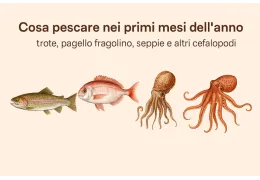
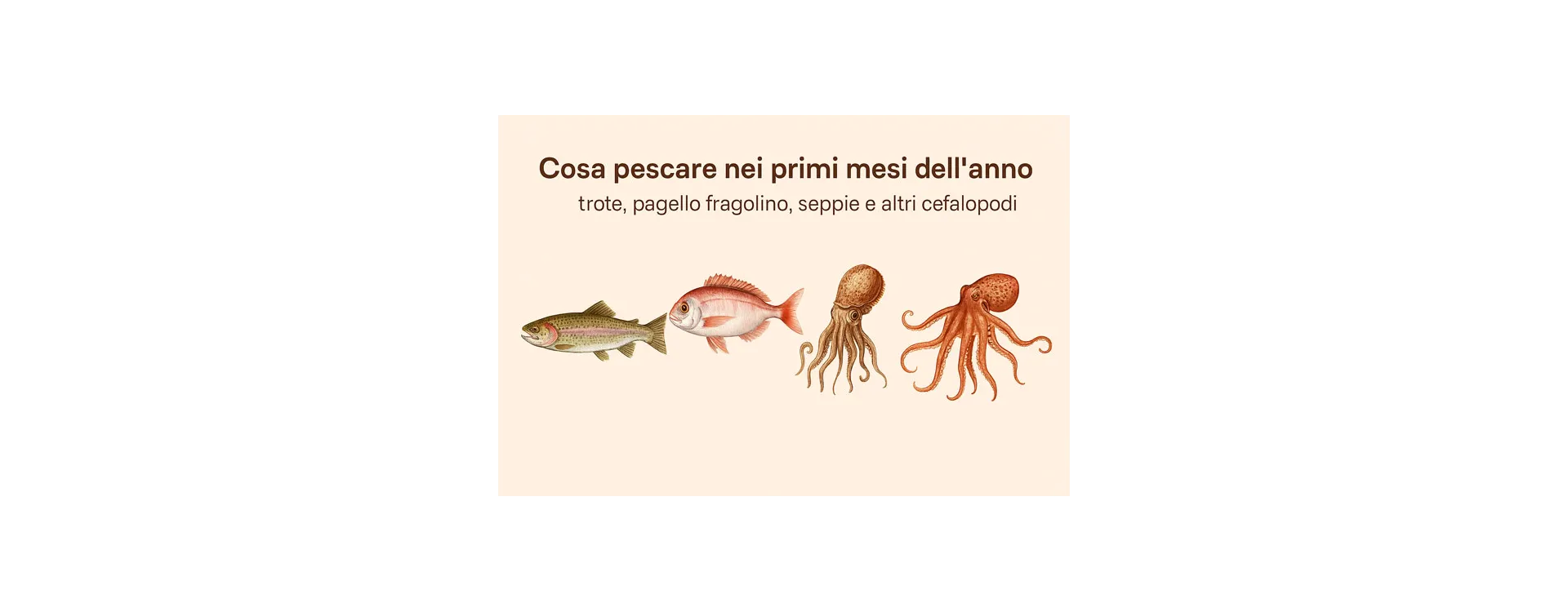
What to fish for in the early months of the year: trout, common pandora, cuttlefish and other cephalopods
In the early months of the year, fishing presents specific challenges related to weather conditions and the behavior of aquatic species. If you're wondering what to fish for at the start of the new year , it's essential to know the best times and the best techniques to optimize every outing. In this detailed guide, I'll show you how to approach lake trout fishing, boat fishing for common pandora , and major cephalopods such as cuttlefish, squid, squid, and octopus , both from the shore and from a boat. We'll also delve into the influence of climate variations and lunar phases on the activity of these species, offering practical advice on equipment and strategies to adopt to increase your chances of success during your winter fishing trips.
Best times and fishing techniques for the first months of the year
The best time for fishing in the early months of the year varies depending on the species and environmental conditions. For trout fishing in lakes, January and February are particularly suitable: the cold water induces trout to concentrate in deeper areas, where the temperature is more stable and favorable.
Similarly, cephalopods such as cuttlefish, squid, octopus, and squid show peak activity from autumn until late spring, with particular intensity during the cold months. Climate variations can advance or delay the optimal fishing periods, shifting them by as much as 15–45 days, making it important to adapt your trip planning based on weather conditions.
Among the most effective techniques during this period is shore fishing , ideal especially for cephalopods, with methods such as eging, which uses specific rods and fluorocarbon rigs to ensure sensitivity and resistance. Boat fishing , on the other hand, uses live bait trolling and bottom fishing, particularly suitable for targeting common pandora and other benthic species. Considering the best time of year and weather conditions will allow you to plan your trips more efficiently and increase your chances of catching.
Fishing for trout in lakes at the beginning of the year: times and methods
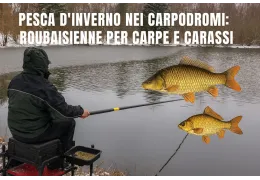
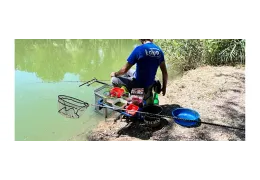
During the winter months, lake trout fishing requires careful consideration of environmental conditions and fish behavior. Although trout activity decreases compared to the summer months, January and February are still the best times to catch them, especially during the milder hours of the day, when the water temperatures can reach slightly higher levels.
Trout tend to congregate in deep areas with stable temperatures, so it's important to know the bottom well and identify areas with submerged vegetation or depressions. Techniques like float fishing allow you to keep your bait at precise depths, increasing your chances of catching. Light spinning, with small artificial lures and natural colors, is effective for stimulating more aggressive trout, while fly fishing can be versatile, especially using patterns that imitate typical winter aquatic insects.
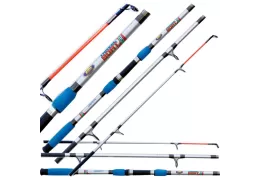
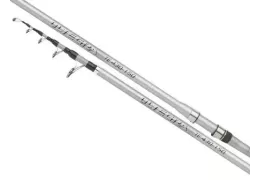
For gear, choose sensitive rods, smooth-retrieving reels, and thin but durable lines to avoid spooking fish in cold, clear water. Another tip is to consult dedicated forums and posts, where you can find lists of recommended spots and tips from other enthusiasts who share their interests and the best techniques to use this season.
Cuttlefish, squid, and octopus fishing from boats and shore: seasons and optimal techniques
Cuttlefish, squid, and octopus fishing is highly productive from September until spring, peaking between autumn and winter. During the colder months, these cephalopods approach coasts, ports, and lagoons, allowing for effective fishing both from shore and by boat, using targeted techniques that maximize each setting.
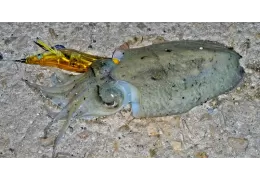
A key technique is eging , which involves the use of specialized rods, dedicated reels, and squid rigs mounted on fluorocarbon, materials that ensure great sensitivity and abrasion resistance. The cyclical retrieve, alternating pauses and rapid movements, stimulates the cephalopods' aggression. The use of phosphorescent sinking lures, especially in the evening and nighttime, combined with the use of UV flashlights, significantly increases the lures' attractiveness.
On a boat, techniques such as drifting and light bottom fishing allow you to reach deeper waters and hot spots that are less accessible from shore. Here, fluorocarbon rigs and sunken lures are essential for proper bait management. From shore, however, it's best to choose locations with mixed bottoms, shallows, or wrecks, which serve as natural refuges for these species. Proper maintenance of lures and lead lines is essential to maintain their strength and effectiveness during outings in often harsh conditions.
Specific fishing techniques for each species (trout, cuttlefish, squid, octopus)
Each species requires a specific technical approach during the winter. For trout, float fishing and light spinning are among the most effective: the float allows you to keep natural baits like worms and aquatic insects at precise depths, while spinning allows you to target more aggressive trout with small, slow-moving lures in natural colors.
For cuttlefish and squid, the eging technique is the most suitable, using squid rigs mounted on fluorocarbon lines that guarantee sensitivity and durability. The strike must be timely but delicate to avoid losing the prey. Octopuses are mainly caught from the shore with weighted lines, using natural bait such as small fish or mollusks; the strike must be smooth and controlled to avoid breaking the line due to the octopus's forceful grip.
For common pandora, bottom fishing and vertical jigging are particularly effective during the colder months. Using small jigs or natural baits at varying depths allows you to target these fish even when activity is low. Paying attention to your retrieve and strike is crucial to minimizing losses. Specialized fluorocarbon rigs and weighted lines improve presentation and equipment strength, making these techniques even more productive.
Advanced fishing techniques and recommended tools
During the winter months, advanced techniques such as live bait trolling, drifting, and vertical jigging are particularly effective, especially when practiced from a boat. However, live bait trolling can be less profitable in January due to reduced predator activity. In these conditions, vertical jigging with small jigs, inchiku, and kabura, used up to 100 meters deep, is an excellent alternative for targeting common pandora, snapper, and amberjack.
Light drifting allows you to cover large areas slowly, ideal for species such as common pandora and black sea bream, which are found in winter waters. Deep-sea bottom fishing is a winning technique, especially when combined with high-quality fresh natural bait. Recommended equipment includes lightweight yet sturdy rods, reels with smooth drags, and weighted lines that facilitate the control of sinking lures.
Using materials like fluorocarbon for the rigs increases the lure's stealth, while leaded Dacron and Monel ensure strength and durability even in challenging conditions. Knowing the strengths and limitations of each technique will help you choose the best method for sea conditions and target species, thus optimizing the effectiveness of your outings in the early months of the year.
Boat fishing: trolling, drifting, and vertical jigging at the beginning of the year
During the winter, live bait trolling tends to lose its effectiveness, especially in January, when low temperatures slow predator activity. In these situations, vertical jigging becomes the go-to technique: using small jigs, inchiku, and kabura, you can reach fish at depths of even more than 100 meters. This technique requires specific equipment, such as sensitive rods and reels capable of handling lead lines and sinking lures.
Light drifting, which involves slow, controlled movement of the boat, allows you to cover large areas and target common pandora and black seabream, typical cold-water inhabitants. Deep-sea bottom fishing is particularly effective for these fish, especially when combined with fresh natural bait. Always remember to comply with current regulations, especially for protected species like bluefin tuna, promoting responsible and sustainable fishing.
Shore fishing techniques: spinning, eging, and bottom fishing for cuttlefish and squid
During the winter, shore fishing focuses on techniques such as coastal spinning, eging, and deep-sea bottom fishing. Spinning is effective for targeting sea bass and cephalopods near the coast, using light lures and variable retrieves that mimic the prey's natural movement.
Eging is based on the use of long rods, dedicated reels, and squid rigs mounted on fluorocarbon. The cyclical retrieve, with pauses and alternating movements, mimics the natural behavior of small cephalopods, stimulating their aggressiveness. Bottom fishing, on the other hand, involves the use of natural baits placed on deeper waters, proving very effective for common pandora and other benthic species.
A slow, controlled retrieve is essential for attracting cephalopods, especially in the evening and at night, when the use of UV flashlights increases the visibility of squid and stimulates the predatory instincts of cuttlefish and squid. Knowing how to choose the right equipment and calibrate your retrieves is therefore essential for maximizing your catches.
Climatic factors and lunar conditions: how they affect fishing in the early months
Weather conditions and lunar phases are key factors influencing the effectiveness of fishing trips during the winter months. Temperature variations and weather changes can advance or delay periods of peak activity for target species by up to 45 days, affecting both the quantity and quality of catches. Periods of stable weather and mild temperatures are ideal for fishing, while adverse conditions require technical and strategic adaptation.
The lunar phases, particularly the new and full moons, significantly influence the behavior of squid, cuttlefish, and octopuses. During these phases, cephalopod activity increases due to the alternation of greater nighttime brightness and total darkness, which influences their predatory behavior. Planning your trips with these factors in mind will allow you to make the most of the windows of peak activity, even in rough seas or cold temperatures.
In rough seas or intense cold, choose durable materials and adopt slower, more controlled retrieval strategies to avoid scaring your prey and maintain high fishing efficiency.
Impact of climate change on fish presence and activity
Climate variations directly influence the presence and activity of trout, common pandora, and cephalopods in the early months of the year. Higher temperatures can bring fishing seasons forward by several weeks, while a harsh winter slows the activity of many species, pushing them toward deeper waters and protected refuges.
These seasonal shifts have a clear impact on the quantity and quality of catches, making it necessary to carefully monitor weather conditions before each trip. For example, an early spring can favor a greater presence of trout in lakes as early as January, while colder conditions keep red bream and cephalopods in areas less accessible from the shore.
Adapting your fishing strategy, changing techniques, times, and spots based on weather conditions, is essential to maintaining a high probability of success during cold-weather trips.
Influence of lunar phases on squid, cuttlefish, and octopus fishing
The lunar phases are a crucial factor for squid, cuttlefish, and octopus fishing during the winter months. During the new and full moons, the activity of these cephalopods increases significantly, influenced by greater nighttime brightness or complete darkness, which alters their predatory behavior.
To maximize your catches, it's advisable to plan your trips in the days immediately preceding and following these lunar phases. Using UV flashlights during night fishing can further enhance the attractiveness of squid, stimulating their predatory instincts. Integrating the lunar calendar into your trip planning is therefore a winning strategy for achieving better results even during the less favorable times of the season.
Recommended fishing areas and spots in the early months of the year
The most suitable fishing areas for target species in the early months of the year depend on the habitat and the species. For trout, lakes and inland waters with rugged bottoms and submerged vegetation are the most productive environments in January and February. Lakes such as Viverone, Garda, and Montedoglio are particularly popular for their habitat quality and depth, which favor trout activity during the winter.
For cephalopods such as cuttlefish, squid, and octopus, lagoons, coasts, and harbors represent the best locations. In particular, areas characterized by shoals, wrecks, and river mouths are key hotspots, where these species congregate during the cold months. These environments offer shelter and abundant food, making shore and boat fishing particularly productive.
In regions like Lazio, especially around Rome and the Pontine Islands, snapper, amberjack, and sea bass can be found even in winter, near submerged reefs and sandbanks. Knowing these spots and planning your trips based on the season and weather conditions is essential to increasing your chances of success and enjoying satisfying fishing trips.
Lakes and inland waters for trout: the best spots in January and February
The lakes best suited for trout fishing in the early months of the year feature clear waters, varied bottoms, and abundant underwater vegetation. Lake Viverone, with its shallow depths and shaded areas, is one of the most favorable environments for this activity. Lake Garda, thanks to its large surface area and diverse habitats, is also a prime destination for winter fishing.
Lake Montedoglio, lesser-known but renowned for its productivity, offers excellent winter fishing opportunities, thanks to careful species management and the presence of healthy trout. Before each trip, it's important to check local regulations, such as catch limits and closed seasons, to practice responsible fishing that respects the ecosystem.
Lagoons, coasts and ports ideal for fishing for cuttlefish, squid and octopus in winter
Coastal lagoons and ports provide rich habitats and food sources for cephalopods in the early months of the year. Areas with mixed seabeds, shoals, and wrecks attract cuttlefish, squid, and octopuses, which seek shelter and nourishment in these habitats. River mouths, where freshwater mixes with saltwater, are strategic fishing spots, offering optimal conditions for these species.
From the shore, it's best to target structured spots with strong currents, while from a boat you can reach deeper, less crowded areas, increasing your chances of success. The difference between shore and boat fishing lies primarily in the ability to move around and cover different depths, which influences the choice of bait and the most suitable techniques.
Practical advice and tips for effective fishing
To successfully tackle fishing in the early months of the year, it's essential to choose specific equipment that can withstand winter conditions. Rods and reels that are resistant to cold and humidity, fluorocarbon rigs for increased stealth, and weighted lines to stabilize the bait are key elements to consider. Natural bait must be fresh and well-preserved, while artificial bait requires natural colors and durable materials.
Trip planning should take into account the best times of day, such as the warmest hours for trout and the peak nighttime activity for cephalopods. Ideal weather conditions include calm or slightly rough seas and stable temperatures; otherwise, it's important to adapt your strategy, favoring techniques and equipment best suited to adverse conditions.
Maintaining live bait and rigs is crucial to maintaining effectiveness while fishing. Storing bait in temperature-controlled containers and preparing backup rigs ensures continuity during your outing. Flexibility and adaptability are key to maximizing your chances of success during the colder months.
Selection of equipment and bait for the first months of the year
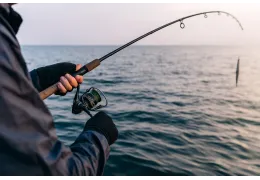
For trolling, bottom fishing, spinning, and eging, it's important to use sturdy yet sensitive equipment that can withstand low temperatures and harsh conditions. Lightweight yet durable rods, combined with smooth-drag reels, allow for precise bait control and effective strikes.
Among the most suitable natural baits for the cold months you will find worms, small fish and fresh cephalopods, while among the artificial ones, the squids rigged with fluorocarbon and the phosphorescent sunk lures stand out, particularly suitable for night fishing and in murky waters.
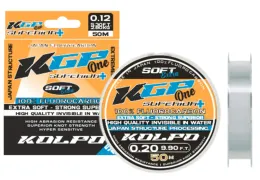
Fluorocarbon rigs and weighted lines improve bait presentation and resistance to chafing on rough seabeds. Proper maintenance of live bait, keeping it in top condition, increases its lifespan and effectiveness while fishing.
How to plan fishing trips: times, weather conditions, and equipment
To get the most out of your fishing trips in the early months of the year, it's essential to choose the times when your target species are most active: the middle of the day for trout and the evening or nighttime hours for cephalopods like cuttlefish and squid. Monitoring weather conditions is equally important: days with light winds and calm seas facilitate fishing, while adverse conditions require technical and strategic adjustments.
Gear selection must be consistent with environmental conditions and the species being targeted, favoring cold-resistant materials and rigs suited to the type of fishing. Flexibility in adapting techniques and schedules to environmental variables is a key factor in increasing your chances of success during winter outings.
Leave a comment
Log in to post comments