Pond Trout Fishing: Advanced Techniques with Maggots and Pastes
The allure of lake trout fishing stems from the variety of techniques, strategies, and equipment used in Italy's lakes, where the challenge is renewed with every cast. For those who want to refine their approach and achieve more consistent results, knowing every nuance of baits like honey worms and trout paste is key: small adjustments can make the difference between a memorable day and a disappointing outing.
In this guide, you'll find practical advice, material recommendations, and a technical overview of the most effective moves, so you can experience pond challenges with the spirit of a true enthusiast and the knowledge of those who know every detail that can make the difference.
Effective techniques for trout in ponds (streaking, spinning, floating, touch)
In lakes, trout fishing requires observation skills and a good dose of adaptability: conditions can change in an instant, forcing the angler to change methods. The use of a swivel , spinning retrieves, a float on freezing days, and precise touch techniques are the backbone of a successful day. Every step must follow the rhythm of the movements of lake trout and rainbow trout , which become more voracious with dynamic presentations and carefully planned pauses.
There's no one-size-fits-all solution: the difference lies in the naturalness of the movement and the right setup, especially when salmonids are apathetic or suspicious. Below are some insights into the two popular pond techniques.
Trembling and Crawling: Movement and Timing
Talking about tremarella means delving into the world of rapid jerks of the rod tip, short movements that give life to honey worms or pastes. It's all in the gesture: the rod moves with small strokes, transmitting a vibration to the bait that intrigues even the most wary trout . The stripe extends this dynamic to a linear retrieve, alternating between waiting and erratic movements. Knowing how to seize the moment of the strike is crucial: you must be patient and let the bait swallow, avoiding premature departures.
Spinning: quick recoveries and breaks
Spinning leaves room for creativity and timing, especially for predators active during the cooler hours. Imagine casting a silicone lure that mimics a grasshopper or a small minnow: the secret is to alternate rapid retrieves with long pauses, suggesting the presence of sick or distracted prey. Trout are often fooled during a pause: that's when you need to concentrate, carefully observing every jerk or vibration transmitted along the line.
Honeymooners: How to Bait and When to Use Them
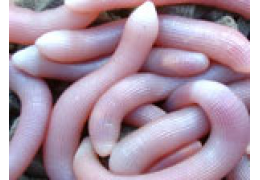
In the imagination of pond anglers, few lures rival the effectiveness of honey bees : soft, luminous, capable of irresistible vibrations. The difference, however, lies in the way they're baited: small changes can radically change the day's performance.
In the early hours of dawn, when light barely filters through the surface, alternating strategies and testing both single and double baits is a wise choice. The right combination can spark the interest of even the most static rainbow trout .
Single vs. pair trigger for vibration
A single hook baiting allows for less noticeable movement, ideal when lake trout are wary or feel the pressure of multiple casts. However, working with a pair of maggots —perhaps positioned head-to-tail or almost overlapping—generates a stronger vibration, much like that of a small insect in distress: a perfect choice during peak activity hours or when the dark bottom of the pond requires a more pronounced mechanical stimulation.
Observing the trout 's response and not being afraid to vary the combination represents the true art of baiting, always adapting the strategy to the conditions of the day and the behavior of the Salmonids at that precise moment.
Trout Paste: Types, Shapes, Flotation, and Animation
Those who prefer more modern presentations can't do without trout paste : its versatility allows it to tackle almost all typical lake situations, from clear waters to muddy bottoms. In addition to distinguishing between floating and sinking pastes , the shape and consistency, as well as any shiny inserts, can drastically influence the result.
The fisherman's skill lies in shaping the dough as needed, testing its movement in the water, and alternating lively animations with pauses, in a ritual of experimentation that often rewards the most attentive to detail.
Floating vs. Sinking Pastes
The use of floating pastes is particularly effective when combined with bombardas or light weights: in these conditions, up-and-down retrieves generate an oscillation under the surface that resembles a wounded larva or an insect in danger, stimulating predatory trout .
When lake trout rest on the bottom – a common situation in winter or on sultry summer days – it is better to fall back on sinking pastes , baited near the bottom and monitored with a float: a static setup, dedicated to moments in which fishing is more about sensitivity than action.
Recommended shapes (teaspoon, worm, helix)
Shaping trout paste to create the perfect movement is an ancient art: the classic " spoon " shape acts as a universal lure, encouraging rotations and reflections in the water; the " worm " shape accentuates the sinuosity of the animations, especially when used with intermittent retrievals.
For those who dare, the helix shape is the secret weapon: batter molded into a spiral on thin-shanked hooks, often reinforced with rubber bases for a perfect hold even after multiple casts. Testing the bait's movement in the water allows you to refine your technique and find the most effective variation of the day.
Recommended equipment for pond fishing
Careful selection of the right gear is essential for every good trout angler; from the first light of dawn to the warm afternoon, your gear represents a sort of personal arsenal that can be adapted to any situation. Tackling the lake with the right kit avoids wasting precious time and allows you to change your approach in a matter of seconds.
From multi-rod holders to fast reels with wide spools , through telescopic landing nets of at least 3 metres, every detail must be reviewed with a critical spirit and attention: trout leave little margin for error, especially in the most strategic and frequented artificial structures.
Rods (telescopic, jointed), reels and spools
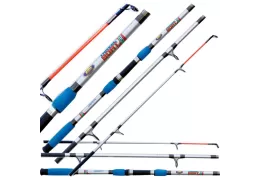
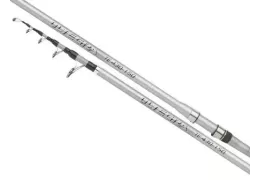
Choosing a telescopic or three-piece put-together rod allows you to easily cover every area of the pond, alternating lengths and actions based on the season and technique. Having at least two rods rigged in parallel allows for quick testing of baits and greater responsiveness to the trout 's changes in mood.
Fast reels , especially those with a wide spool for rapid line release during the cast, really make a difference: smoothness and precision become allies during the hottest parts of the day. Don't neglect to periodically check your retrieve and choose the right line diameter based on water clarity.
Accessories: rod holders, telescopic landing net, bait boxes
An 8-person rod holder will allow you to keep all your options ready and close at hand, without risking tangling lines and lines. A telescopic landing net of at least 3 meters is useful for easy retrieval in deeper lakes or from high banks: it's a crucial aid when the right fish decides to cooperate.
Organize your bait boxes with triple swivels, neoprene reels, and at least one cooler for your honey bees . Careful planning of your accessories reduces unforeseen issues and wasted time, especially if your fishing session involves a long one with frequent setup changes.
When and where to fish: seasons, depths and trout behaviour
The seasons orchestrate the movements of trout in ponds, changing their depth, reaction speed, and presentation preferences. A watchful eye on natural cues—temperature, light, water level—and a strategy that adapts hourly are key to exploiting the life cycles of these salmonids .
There's no one-size-fits-all recipe: you need to understand where your prey is based on temperature and behavior, choosing the most suitable technique and bait based on the calendar.
Autumn, winter, spring, summer: behavioral map
- Autumn: Lake trout rise to the surface, aided by the cooler water; here they put on a show with rapid pursuits on stripers and spinning reels. Cool mornings are ideal for active techniques.
- Winter: Calm reigns on the bottom. With slower trout , sinking baits and floating lures positioned close to the substrate are the best options. Pause and patience are your best allies.
- Spring: A contagious liveliness settles in the pond: insects everywhere, surface activity. Here, surface presentations with lively mealworms can generate spectacular attacks.
- Summer: In large, deep caves, the cool air remains only a few meters below the surface. Here, sinking lures paired with suitable weights triumph, fishing carefully at depth and allowing long pauses to make the difference.
Practical tricks for bait presentation and animation
Among the skills of a good angler is the ability to "talk" to the fish through the presentation of the bait: knowing how to vary color combinations, the use of glitter, pauses, and uncertain retrieves are all elements that contribute to attracting even the most experienced rainbow trout . The bombarda proves invaluable in extending casts and making the bait's action more natural at different water levels.
Changing the animation frequently and carefully observing the trout 's behavior offers valuable insights for innovation: the trick is the desire to experiment, combining memory and creativity with each retrieve.
Use of bombarda, glitter, color combination
The bombarda allows you to reach considerable distances without sacrificing a natural presentation. Floating pastes and honey worms lend themselves to being transported to medium depths with oscillating movements, creating an irresistible dance for trout .
Adding glitter and paste sparkles reflects light and stimulates aggression and curiosity. Combining bright colors or alternating contrasting shades, testing in quick succession which combination attracts the most bites, allows you to understand how the fish react in that specific session.
Long pauses and speed variations
A flawless presentation requires constant variations in retrieve rhythms: alternating lightning-fast retrieves with long pauses or sudden slowdowns, especially with floating pastes and honey worms . In cold water or after frequent visits by other anglers, a long pause can be crucial: lake trout approach slowly, often taking the bait when the bait remains immobile, suspended, or barely swaying.
In short, observation and rhythm make the difference: all that's left to do is translate these tips into concrete field tests, tuning in to the changing needs of trout to provide truly satisfying pond sessions. Those who have the courage to vary, try new tricks, or adapt their gear to the day's mood will always have an edge on the bank, where sportsmanship and a passion for nature meet with every cast.
Leave a comment
Log in to post comments