Catfish Rods: The Complete Guide to Catfishing for Extreme Anglers
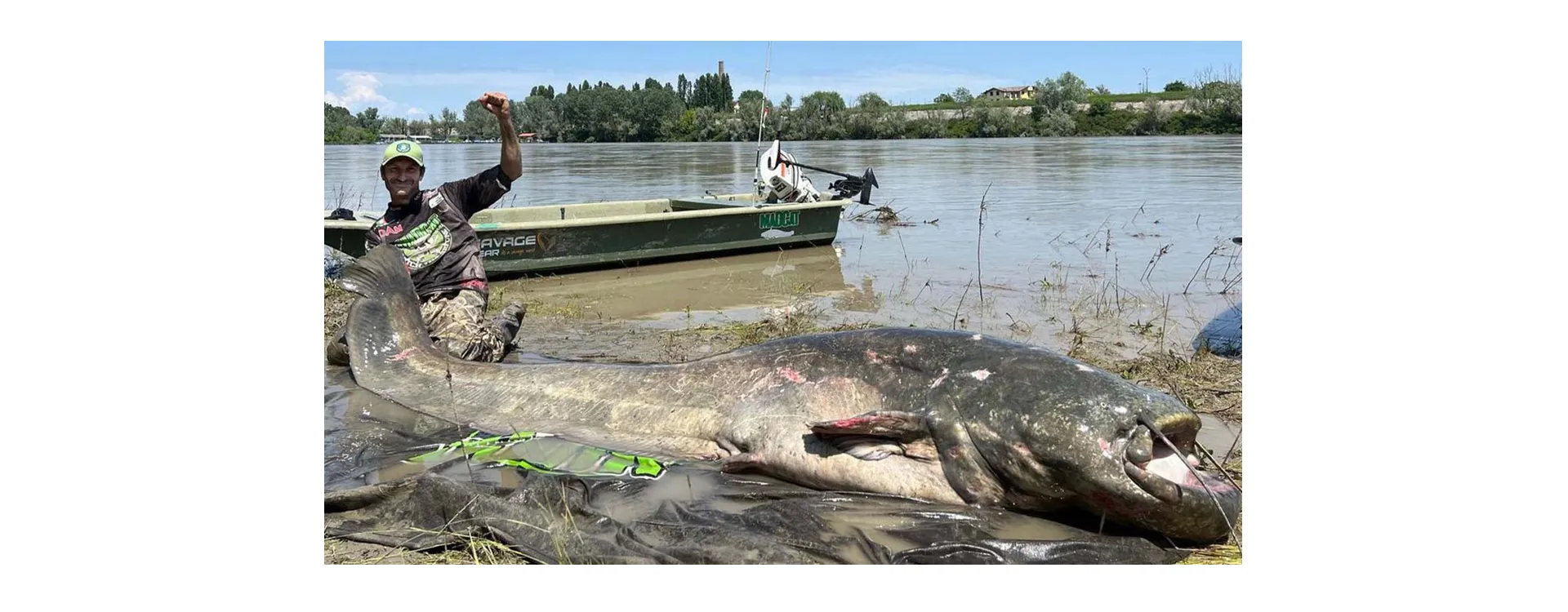
The European catfish is recognized as the largest freshwater fish in Europe, reaching lengths of over 2.5 meters and weighing over 100 kilograms. To tackle a specimen of this size, experience alone is not enough: specific, durable equipment designed for catfishing in extreme conditions is essential. Catfish rods are one of the fundamental tools for this type of fishing, designed to withstand powerful pulls and prolonged fights, offering the angler precise control and superior durability. In this complete guide to catfishing , you'll discover the technical features that make catfish rods unique, the different types available, and practical tips for choosing the rod best suited to your needs. We'll also delve into the most effective fishing techniques and essential accessories for successfully tackling this demanding challenge.
Why Choose Rods Specific for Catfish
When it comes to catching European catfish, the right tackle makes all the difference. This fish, often over 2.5 meters long and weighing over 100 kg, requires high-powered rods with extremely robust construction. Catfish rods are designed to support significant loads, with casting weights ranging from 300 to 500 grams, ideal for handling heavy sinkers and thick lines without risk of breakage. Reinforced carbon blanks, often combined with composite materials, ensure superior resistance to mechanical stress, while reinforced guides and reel seats are designed to support large reels and withstand the most intense fights. The progressive action, a key feature of these rods, allows them to absorb sudden jerks, facilitating control and protecting both the equipment and the user during the most intense phases of fishing.
Main features of catfish rods
Catfish fishing rods are distinguished by several essential technical features. The blank is generally made of reinforced carbon or innovative composite materials that combine lightness with high resistance to mechanical stress. A high power rating, between 300 and 500 grams, is necessary to handle heavy weights and thick lines, essential for controlling adult catfish during a fight. The progressive, balanced action is designed to absorb violent pulls, improving control and preventing sudden breakages. The guides and reel seats, also reinforced, are sized to accommodate large reels and thick lines, ensuring durability and reliability over time. Finally, the rod's sensitivity and balance are essential for detecting even the slightest bites and maintaining optimal fish control during long and demanding fishing sessions.
Advantages of dedicated rods over generic models
Opting for catfish-specific rods over generic models brings tangible advantages in terms of performance and reliability. Dedicated rods offer superior structural strength, essential for withstanding intense fights with a large fish like the European catfish. Reinforced components such as guides and reel seats are designed to withstand high stress, minimizing the risk of failure while fishing. The calibrated action ensures a progressive response to pulls, improving control and sensitivity. Furthermore, thanks to high-quality materials and a thoughtful design, these rods ensure greater durability and reliability even in extreme conditions. Balance and ergonomic comfort complete the picture, making these rods ideal for extended sessions, so you can tackle demanding fishing trips without premature fatigue.
Types of Catfish Rods and Fishing Techniques
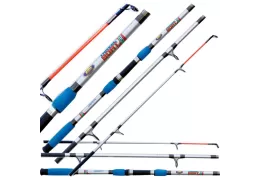
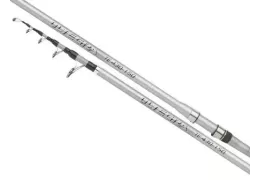
The world of catfish rods is diverse and adapts to different fishing techniques and environments. Shore rods are characterized by considerable length and power, ideal for long-distance casting and for withstanding tough fights in open spaces like rivers and large lakes. Boat rods are more compact and robust, designed for fishing in confined spaces, facilitating maneuverability aboard smaller boats without sacrificing the necessary strength. Telescopic rods focus on practicality and portability, being lightweight and easy to transport, although they have some limitations in terms of power and durability compared to fixed models. Among the most common catfish fishing techniques are spinning, which requires sensitive and progressive rods to handle lures up to 100 grams; bottom fishing, which requires sturdy rods for vertical lines and heavy weights; and casting, which emphasizes high power and control to face intense fights. Understanding the characteristics of each type of rod and technique will allow you to choose the equipment best suited to your style and fishing conditions.
Shore, boat and telescopic rods
Shore rods are designed to provide the power and length needed for long casts and to withstand combat with large catfish. Their robust construction and progressive action allow them to absorb violent pulls, ensuring optimal control. Boat rods, shorter and more compact, are designed for confined spaces and to facilitate maneuvering aboard smaller vessels, without sacrificing the necessary strength. Telescopic rods offer a practical and easily transportable solution, ideal for those who travel frequently, although they have limitations in terms of power and durability compared to traditional models. The choice between these types depends on the fishing environment: in large lakes or rivers, powerful shore rods are preferable, while for boat fishing, the compactness of boat rods is an advantage. Telescopic rods are a good solution for those who require practicality and mobility, albeit with some technical compromises.
Fishing techniques: spinning, bottom fishing, casting
Spinning for catfish relies on rods with sensitive, progressive action, capable of casting lures up to 100 grams with precision and delicacy. This technique often uses compact vibrational lures, which encourage a dynamic and technical approach to fishing. Bottom fishing requires sturdy, powerful rods, suitable for vertical lines and heavy weights that keep the lure at precise depths; a solid rod is essential for handling sudden jerks. Casting relies on high power and precise control, with sturdy rods capable of withstanding intense, sustained fights, often paired with reels with powerful drags. In all these techniques, it's essential to pair the rod with sturdy leaders and quality accessories, such as durable snaps, to ensure reliability and optimal performance in technical catfishing.
Materials, Components and Choosing the Ideal Rod
To choose the most suitable catfish rod, it's essential to carefully evaluate the materials and components that determine its performance, durability, and comfort. Carbon is the primary material for the blank, thanks to its lightness and strength, essential characteristics for withstanding intense fighting without weighing down the equipment. The addition of composite fibers and resins increases resistance to mechanical stress, improving the rod's durability, especially under demanding fishing conditions. Guides and reel seats are critical components: they must be reinforced to support large reels and thick lines, ensuring smoothness and reliability. An ergonomic handle contributes to comfort during extended sessions, reducing fatigue. Action and power are parameters to be carefully evaluated, as they influence control and the ability to absorb shock. A well-balanced, lightweight rod optimizes performance and catfish management while fishing. Finally, regular maintenance is essential to preserve the construction characteristics and ensure the longevity of the equipment.
Materials: carbon, fiber and resins
Reinforced carbon is the predominant material in catfish rods due to its combination of lightness and strength, essential for withstanding high stresses without weighing down the equipment. The integration of composite fibers and resins improves resistance to mechanical stress, increasing the rod's durability even under demanding fishing conditions. This balance between weight and durability is crucial for maintaining sensitivity and reliability during the fight. Furthermore, the quality of the materials influences the rod's ability to transmit vibrations, allowing you to accurately detect bites and better manage the fight with European catfish.
Components: rings, handle, action and power
Catfish rod guides are designed to withstand large reels and thick lines, which are essential for containing the power of catfish. These reinforced components prevent damage and ensure optimal smoothness during the retrieve. The ergonomic handle is designed to ensure comfort even during the longest sessions, reducing hand and arm fatigue. The rod's progressive action absorbs harsh pulls, improving control and stability during the fight. The high power rating allows you to handle heavy weights and withstand intense fights without compromising the integrity of your tackle, making it essential for catfish fishing in challenging environments.
How to Choose Catfish Rods Based on Your Needs
To choose the best catfish rod, you need to consider power, action, length, and weight based on your fishing style and environment. Power should be adjusted based on the weight of the catfish and the weights used; values between 300 and 500 grams are generally recommended for European catfish. A progressive action is preferable to absorb jerks and promote optimal control. Length varies based on technique and context: longer rods facilitate long-distance casting, while shorter models ensure greater maneuverability in tight spaces. Weight and balance directly impact comfort and resistance to fatigue during extended sessions. It's advisable to test the rod before purchasing, evaluating its performance to ensure it meets your technical and practical needs, and also consider reviews and opinions from other anglers to make a more informed choice.
Power and Action: What to Consider
The draw weight of a catfish rod indicates the maximum force it can support, expressed in grams for the recommended weight, generally between 300 and 500 grams for catfish. Adequate draw weight is essential for handling heavy weights and thick lines, ensuring resistance during intense fights. Progressive action describes how the rod flexes under load: a gradual action absorbs violent tugs, protecting the structure and improving control. This characteristic also affects sensitivity, which is essential for detecting bites. The choice between different draw weights and actions depends on the type of catfish you intend to target and the expected fighting style, with stiffer models for large specimens and tough fights, and softer actions for more delicate and precise control.
Rod length and weight
The most common catfish rod lengths range from 9 to 12 feet. Longer rods facilitate long-distance casting and increase range, but they can be difficult to handle in tight spaces. Weight directly affects handling and fatigue: lightweight models are preferable for extended sessions, but must be optimally balanced to avoid sacrificing accuracy and control. Balance length and weight based on your technique and fishing environment. Before purchasing, test the rod to evaluate its response during casting and play, ensuring it meets your practical and technical needs.
The Best Brands and Models of Catfish Rods
The catfish rod market offers numerous reliable options, with brands recognized for quality and innovation. Brands like Shimano, Fox Rage, Daiwa, and Berkley are renowned for the strength and performance of their catfish rods. For example, the Shimano Beastmaster is known for its power and durability, ideal for tackling large catfish, while Fox Rage Predator rods stand out for their progressive action and optimal balance. Daiwa offers models like the Procaster, versatile and robust, suitable for a variety of fishing techniques. Berkley offers rods with advanced composite materials, ensuring comfort and reliability. Industry experts like Maurizio Francioli and Antonio Santoro emphasize the importance of choosing rods that combine power and sensitivity, recommending models with reinforced components and a balanced action. To make an informed choice, you can consult up-to-date reviews available on trusted marketplaces like Amazon, where you can read other enthusiasts' opinions, check availability, and compare offers, also taking advantage of fast shipping and the convenience of Prime. Remember to always evaluate the quality-price ratio based on your specific needs to get the most out of your catfish fishing gear.
Accessories and Complementary Equipment
To effectively complete your catfish fishing setup, it's essential to integrate quality accessories that enhance performance and safety. Large reels, with a capacity of over 6,000 meters of line, are essential for managing thick lines and powerful drags during the fight. Large-diameter braided lines ensure strength and durability, reducing the risk of breakage and improving sensitivity. Sturdy leaders, equipped with durable snaps with a minimum capacity of 40 kg, are essential for safely connecting baits and lines. Among the most recommended lures are compact vibrational rubbers in visible colors like white, yellow, and green, effective even in murky water. Other useful accessories include heavy weights to maintain the desired depth, floats to monitor the bait's position, and luminous bells for night fishing that clearly indicate bites. A well-balanced and complete setup makes the difference on your most challenging fishing trips, constantly improving your effectiveness in the field.
Reels, lines and terminals for catfish
Reels with a capacity of at least 6,000 meters of line are essential for long battles with powerful catfish, ensuring sufficient line clearance and powerful, adjustable brakes to handle sudden pulls. Braided lines of the appropriate diameter offer greater strength and less stretch than monofilament, improving control and sensitivity while fishing. Leaders must be sturdy and reliable, equipped with durable snap hooks that ensure safety even under intense stress. Regular maintenance of reels, lines, and leaders is essential to maintain performance and prevent breakdowns during fishing sessions. Thorough cleaning, lubrication, and periodic component checks will allow you to maintain a setup that is always efficient and ready for action, increasing your chances of success when fishing for catfish.
Baits, floats and other useful accessories
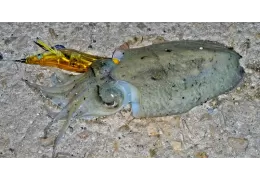
Compact vibrobaits are particularly effective for catfish fishing, especially when offered in visible colors like white, yellow, and green, which make it easier to locate the bait even in murky waters or low-light conditions. Floats, combined with heavy weights, allow you to precisely control your fishing depth, keeping the bait in the ideal area to attract catfish. Bells and lights are essential accessories for night fishing, signaling bites and improving the angler's responsiveness. Correctly matching baits and accessories can significantly increase your catches, optimizing your setup based on environmental conditions and the habits of European catfish. A careful selection of these items completes your technical catfishing equipment, ensuring effectiveness and reliability even in the most challenging situations.
Leave a comment
Log in to post comments